
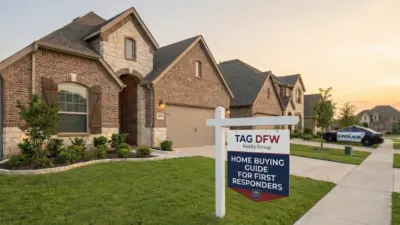
From: Kendra Burrhus, Retired Police Officer and Buyer Specialist for TAG DFW Realty Group
Buying a home as a first responder comes with a unique mix of challenges—and advantages. Shift work, overtime, rotating schedules, court days, and high‑stress calls don’t always fit neatly into a traditional home‑buying process. The good news? With the right plan and the right people in your corner, buying a home can be a smooth, strategic, and rewarding experience.
This guide is designed specifically for first responders. No fluff, no pressure, and no sales pitch—just clear information to help you make confident decisions.
First Step: Buyer Consultation
This is a low-pressure conversation designed to walk through your goals, timeline, work schedule, and any concerns you may have about the process. It’s also where we cover how buyer representation works, current market conditions, and what to expect from start to finish—so there are no surprises later. If possible, reach out to a Realtor (like me) several months in advance so we can prepare, plan your budget, and, if needed, work with a lender to improve credit and maximize your buying power.
Understand Your Buying Power
Before touring homes or scrolling listings at 2 a.m. after shift, it’s important to understand both what you qualify for and what feels comfortable long‑term.
Many first responders may have access to:
- VA loans (for eligible veterans)
- Down payment assistance programs
- First responder–specific grants or local incentives
A strong pre‑approval does more than give you a price range. It protects your time, helps you avoid disappointment, and strengthens your position when you’re ready to make an offer—especially in competitive markets.
Understanding the Cost of Buying a Home
The purchase price isn’t the only number to plan for. There are several costs that come up at different points in the buying process. The chart below breaks out the most common expenses—here’s a quick explanation of what each one means:
- Earnest Money: A good‑faith deposit showing the seller you’re serious. This is held by the title company and is later applied toward your closing costs.
- Option Fee: A small fee paid directly to the seller that gives you the unrestricted right to terminate the contract during the option period while inspections are completed.
- General Inspection: Covers a professional evaluation of the home’s major systems and structure, helping you identify issues before moving forward. Additional inspections may be needed.
- Appraisal: Ordered by the lender to confirm the home’s value supports the purchase price and loan amount.
- Survey: Shows property boundaries, easements, and improvements. Sometimes an existing survey can be reused; other times a new one is required.
- Down Payment: The portion of the purchase price you pay upfront, which varies by loan type and program.
- Closing Costs: A collection of lender, title, insurance, tax, and prepaid expenses due at closing.
Knowing these costs ahead of time helps prevent surprises and allows you to plan the purchase with confidence.
Estimates vary by market, loan type, and individual transaction.
| Expense | Estimated Cost | When It’s Due |
| Earnest Money | ~1% of sales price | Within 3 days of contract |
| Option Fee | $200 – $1,000 | Within 3 days of contract |
| General Inspection | ~$500 | At time of inspection |
| Appraisal | $400 – $600 | Upfront during loan process |
| Survey | $450 – $1,500+ | Usually at closing |
| Down Payment | 3% – 20% (or 0% for VA) | At closing |
| Closing Costs | 3% – 5% of purchase price | At closing |
Build a Team That Understands Your Schedule
Not every lender, inspector, or agent understands 24‑hour shifts, mandatory overtime, or unpredictable schedules. Working with professionals who dounderstand first responder life makes a noticeable difference.
This means:
- Flexible showing times
- Clear communication while you’re on duty
- Efficient processes that respect your limited time off
You should never feel rushed or uninformed just because your job doesn’t run 9–5.
From Contract to Closing
Once you’re under contract, the timeline moves quickly. Inspections, appraisals, negotiations, and final approvals all happen within a short window.
Planning ahead helps reduce stress:
- Schedule inspections on off‑days when possible
- Coordinate final walkthroughs around shift changes
- Avoid last‑minute decisions during already demanding work weeks
Clear expectations and proactive communication go a long way during this phase.
Beyond the Sale
As a former law enforcement officer, I understand the demands, schedules, and privacy concerns that come with this profession. My role isn’t just to sell houses—it’s to guide first responders through the process with clarity, strategy, and respect for the job you do.
Whether buying is six months away or just a thought in the back of your mind, early conversations make all the difference.
The best results come from preparation—not pressure.